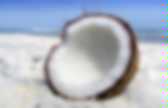
PLANT CULTURES - Coconut. Bio-Kokoswasser und Kokosöl von KULAU - 100% Kokosnuss. Noix de coco. On la dit native d’Asie du Sud Est ou des îles du Pacifique ou encore d’Amérique tropicale ! Les Espagnols l’introduisent aux Antilles au 16 ème siècle. La taille de ce palmier au tronc flexible peut atteindre 25 m de haut. Il se termine par un panache de feuilles émergeant d’un bourgeon, ‘chou coco’ (délicieux en salade), dont la mort entraîne celle du palmier. Les fleurs jaunes donnent naissance aux noix recouvertes d’une couche fibreuse qu’on enlève à la machette. Ces noix à la coque dure contiennent un liquide sucré (eau de coco) qui se solidifie peu à peu en pulpe blanche. Durant la guerre, la pulpe permit la fabrication d’huile et de savon aux Antilles. Famille : Arécacées (palmiers) Nom de l'arbre : Cocotier Floraison : Toute l’année Fructification : Toute l’année Dimension du fruit : De 20 à 30 cm de long Autres noms : Coco nut (anglais) ; Coco (espagnol) ; Koko, pyè koko (créole) Alignement de cocotier Fruits sur arbre Fruits.
Cocos nucifera. Cocos nucifera [edit] Familia: Arecaceae Subfamilia: Arecoideae Tribus: Cocoeae Subtribus: Butiinae Genus: Cocos Species: Cocos nucifera Name[edit] Cocos nucifera L. References[edit] Linnaeus, C. (1753). Vernacular names[edit] العربية: فارسیBahasa Indonesia: KelapaBahasa Melayu: Pokok KelapaBân-lâm-gú: Iâ-áBasa Sunda: Kalapacatalà: Cocoterčeština: Kokosovník ořechoplodýсрпски / srpski: Кокосова палмаdansk: KokosDeutsch: KokospalmeEnglish: Coconutespañol: CocoteroEsperanto: Kokosoفارسی: نارگیلfrançais: Cocotiergalego: Cocoहिन्दी: नारियलhrvatski: Kokosova palmaitaliano: palma da coccoעברית: קוקוסKiswahili: Mnazi (mti)lietuvių: Riešutinė kokospalmėmagyar: Kókuszpálmaмакедонски: Кокосова палмаമലയാളം: തെങ്ങ്Nederlands: Kokospalm日本語: ココナッツnorsk bokmål: Kokosnøttpolski: Palma kokosowaportuguês: Coqueiroрусский: Кокосовая пальмаsuomi: Kookospalmusvenska: Kokosnöttetun: Nuu-hunไทย: มะพร้าวTiếng Việt: DừaTürkçe: Hindistan cevizi中文: 椰子.
Coconut. Found throughout the tropic and subtropic area, the coconut is known for its great versatility as seen in the many uses of its different parts. Coconuts are part of the daily diets of many people. Coconuts are different from any other fruits because they contain a large quantity of "water" and when immature they are known as tender-nuts or jelly-nuts and may be harvested for drinking. When mature, they still contain some water and can be used as seednuts or processed to give oil from the kernel, charcoal from the hard shell and coir from the fibrous husk. The endosperm is initially in its nuclear phase suspended within the coconut water. As development continues, cellular layers of endosperm deposit along the walls of the coconut, becoming the edible coconut "flesh".[5] When dried, the coconut flesh is called copra. The oil and milk derived from it are commonly used in cooking and frying; coconut oil is also widely used in soaps and cosmetics.
Description[edit] Plant[edit] Fruit[edit]